Dermatologists Explain the Causes of Toenail Infections (and How to Fix It)
Toenail infections, a topic often whispered about but seldom discussed openly, are more common than you might think. They’re not just a cosmetic issue; these fungal infections can lead to significant discomfort and, in rare cases, more serious health concerns. Understanding the ins and outs of these infections is crucial for maintaining your toenails’ health and overall well-being.
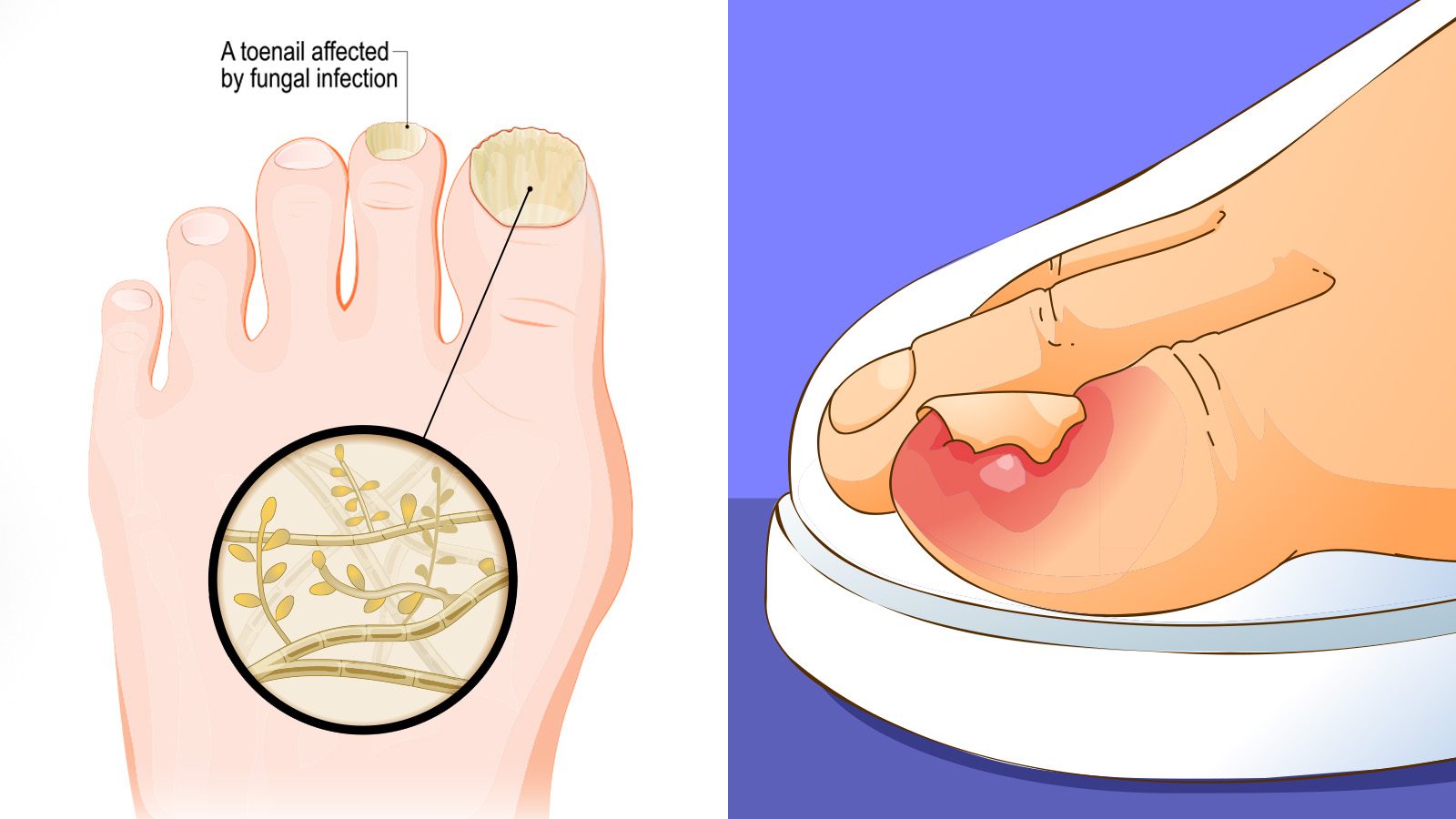
So, what exactly are toenail infections? Dermatologists explain how these fungal infections are caused by various microorganisms underneath the nail’s surface. Unlike a simple bruise or scratch on your toenail, infections are characterized by symptoms that can be quite noticeable. Look out for changes in the color and texture of the nail, such as thickening or a yellowish discoloration. Other signs include brittleness, crumbling edges, and, in some cases, pain or an unpleasant odor. These symptoms can indicate an underlying infection that may require attention.
Diving deeper into the causes of toenail infections, we find a world teeming with tiny culprits, primarily fungi, bacteria, and yeast. These microorganisms flourish in warm, moist environments, making your toenails a perfect breeding ground, especially if they’re often confined in tight shoes. Public showers, swimming pools, and gymnasium locker rooms are common places where you might unknowingly pick up these microorganisms. In addition to those problems, the daily wear and tear your feet go through makes it clear why toenails are vulnerable to infections.
Addressing these causes and taking preventative steps can significantly reduce your risk of developing toenail infections. Good foot hygiene, appropriate footwear, and managing health conditions like diabetes are crucial. If you suspect a toenail infection, you should check with a podiatrist for an accurate diagnosis and treatment plan.
Toenail infections, while seemingly minor, can have a more profound impact than you might realize. Physically, they can cause discomfort and challenge everyday activities like walking or using shoes. This condition can be particularly troubling for those who love sporting activities or have jobs requiring prolonged standing. Aesthetically, toenail infections can alter the appearance of your nails, leading to feelings of self-consciousness and embarrassment.
The mental health part of the equation is just as important. Changes in appearance and discomfort can lead to reduced self-esteem and confidence. It’s not unusual for individuals with toenail infections to avoid activities they once enjoyed, like swimming or wearing open-toed shoes, due to the fear of judgment. This retreat from social situations can further impact mental well-being, underlining the importance of addressing toenail infections for your physical and mental health.
Preventing toenail infections is all about creating an environment where these fungal microorganisms have less chance to thrive. Start with maintaining good foot hygiene. Wash your feet regularly, then dry them thoroughly, especially between the toes. Opt for breathable footwear and moisture-wicking socks to keep your feet dry. In public areas like pools or gyms, wearing shower shoes can be a game-changer in avoiding contact with infectious agents.
Another key strategy is to care for your nails properly. Keep your toenails trimmed, but avoid cutting them too short. Too short toenails can increase the risk of infection. Be cautious with nail salons – ensure they sterilize their equipment and consider bringing your tools. These small steps can go a long way in keeping your toenails healthy and infection-free.
If you have a toenail infection, fear not. Dermatologists explain that numerous treatment options are available. Over-the-counter antifungal creams and ointments can clear up mild infections. These treatments often require consistent application over several weeks to see results. For home remedies, soaking your feet in warm water and vinegar or applying tea tree oil can be beneficial, although these methods are more anecdotal.
Consulting a dermatologist is advisable in cases where the infection is severe or persistent. Prescription topical or oral medications can be more potent in treating the infection. Laser therapy is another option, though it can be more costly. The key is to start treatment early and follow through with the entire course, even if the symptoms improve. As a result, you will ensure the infection heals fully.
Your diet and lifestyle are pivotal in preventing and recovering from toenail infections. A well-balanced diet supports overall health, including your nails’ health. Nutrients like protein, omega-3 fatty acids, vitamin E, and biotin benefit nail strength and health. Foods rich in these nutrients include fish, nuts, seeds, avocados, and eggs. Staying hydrated is also important, as it helps maintain the moisture in your skin and nails.
Lifestyle choices might also have a significant impact. Regular exercise boosts your body’s circulation, essential for nail health and recovery. It’s also crucial to give your feet some breathing space. If your daily routine involves wearing tight, enclosed shoes, give your feet some time off. Air them out whenever possible, and when at home, opt for open, airy footwear.
Remember, a healthy lifestyle isn’t just about what you do; it’s also about what you avoid. Smoking, for instance, can impair blood circulation, negatively affecting the health of your nails. Limiting alcohol consumption can also benefit nail health, as excessive alcohol can lead to dehydration, impacting your nails’ health.
Knowing when to get professional help is critical in managing toenail infections effectively. If you notice that your toenail infection is not improving with over-the-counter treatments, or if the symptoms worsen, it’s time to call consult a podiatrist or dermatologist. Signs that warrant professional attention include severe nail discoloration, increasing pain, swelling around the nail, and pus or discharge.
A doctor can provide a precise diagnosis by examining a nail sample under a microscope or sending it for lab analysis. This helps identify the exact type of microorganism responsible for the infection, leading to more targeted and effective treatment. Self-diagnosis and treatment might not always be accurate or effective, and delaying professional care can lead to complications.
Toenail infections, while common, should not be taken lightly. Understanding their causes, symptoms, and treatments is crucial for effective management and prevention. Incorporating simple preventive measures into your daily routine, paying attention to diet and lifestyle, and knowing when to seek professional help can significantly reduce your risk of developing these infections. By taking proactive steps toward maintaining your toenail health, you can keep your feet happy and healthy, allowing you to step forward confidently in all your endeavors.
Related Articles