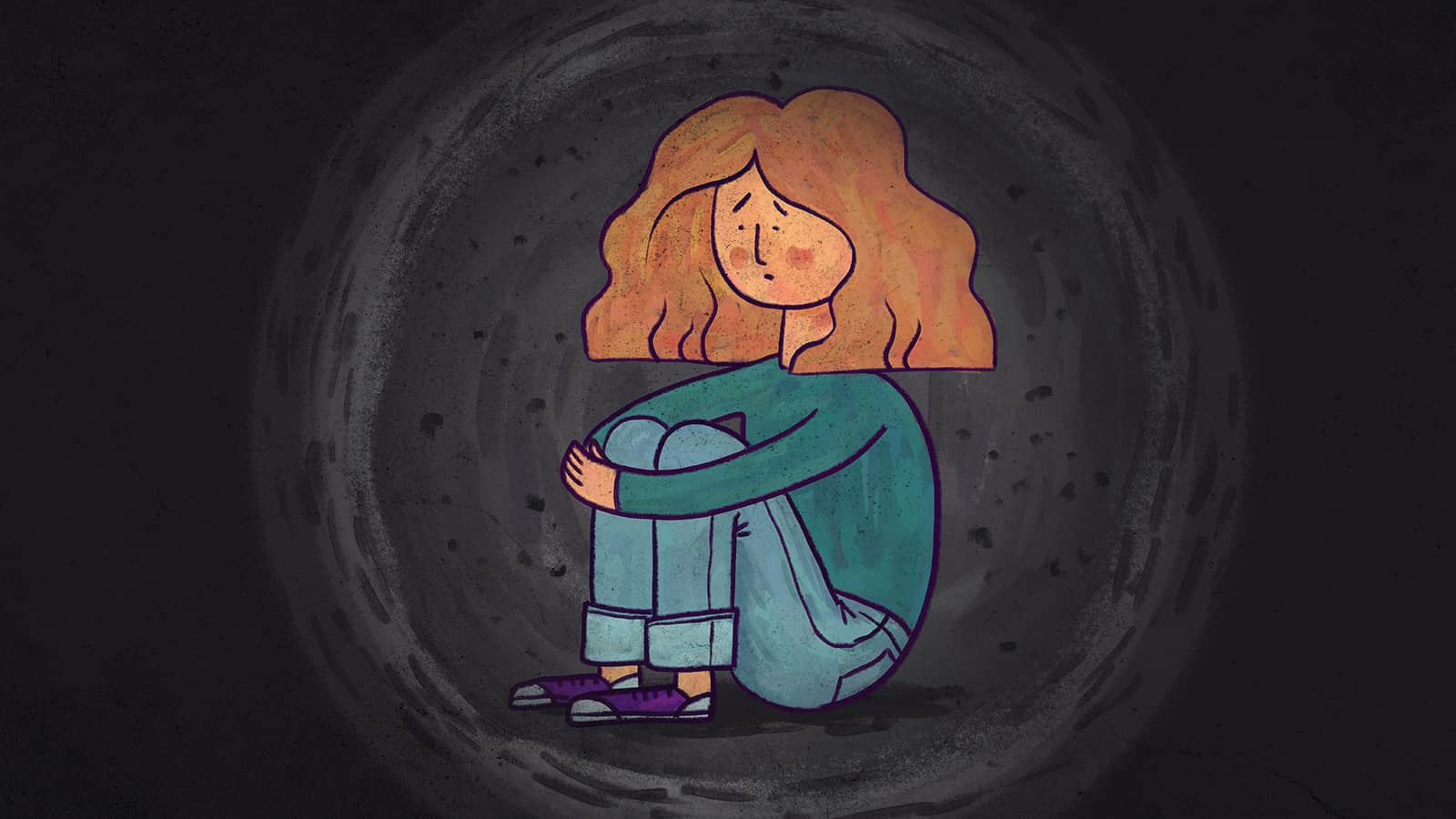
Psychologist Explains 6 Commonly Undiagnosed Anxiety Symptoms
Undiagnosed anxiety can manifest in subtle ways that can be challenging to detect and treat. Anxiety disorder rates are on the rise around the world. People have gotten much better at noticing symptoms of these issues and are getting diagnosed and treated, which is a great thing!
But, at the same time, not all anxiety symptoms are apparent. And since everyone experiences anxiety differently, there’s a chance that you may not realize that something you experience points to anxiety. Here’s how psychologists explain six commonly undiagnosed anxiety symptoms.
Lots of people falsely believe that perfectionism is a solely positive trait. But with it comes all sorts of baggage and obsession. It involves having too-high expectations, thinking that you have to do things perfectly or to unreasonable standards. According to Doctor of Psychology Sally Winston, this mentality goes hand-in-hand with anxiety disorders.
Those with undiagnosed anxiety may feel nothing wrong with their perfectionism. They may view it as a positive work ethic and consider it conscientious. But research shows that it’s a clear symptom of undiagnosed anxiety.
Clinical psychologist Katharina Mokrue explains that anxious people:
When your stomach starts feeling queasy, you will not likely associate that with your emotions. That’s why so many people with undiagnosed anxiety misattribute their indigestion, believing it’s just something they ate. In reality, it could be a sign of a deeper issue!
Psychologist Dr. Crystal I. Lee states that when the body is under stress, it focuses on survival. This means it doesn’t focus on digesting food, especially since survival mode often means preserving food for as long as possible. When you have anxiety, your stress responses occur suddenly and at inappropriate times. This means that your fear “misfires” you into survival mode.
Common digestive issues that can crop up from anxiety include:
When you’re under the stress of undiagnosed anxiety, your stomach muscles tend to contract. This can cause sudden, unexpected cramps unrelated to a menstrual cycle.
Research indicates that anxiety increases stomach acid production. This worsens experiences of acid reflux and heartburn and can cause symptoms of GERD.
Do you tend to feel nauseated when you’re stressed out? Anxiety is to blame! Fear often throws a chemical in the brain called norepinephrine off balance. This chemical is needed to balance digestive enzymes and gastric juice production.
As your stomach muscles contract more and more from anxiety, your bowel movements will likely loosen. This is why so many people have diarrhea before significant, nerve-wracking events.
On the opposite end of diarrhea, constipation can result from undiagnosed anxiety. When your muscles contract in the stomach, blood flow to the digestive organs reduces, and food moves less quickly.
Brain fog is a symptom of undiagnosed anxiety that often goes overlooked. It’s a common sign of many different mental disorders, too. Licensed clinical psychologist Dr. Helen Odessky states that many anxious individuals also face trouble concentrating.
You’re always a little preoccupied with other things when you’re anxious. This prevents you from staying in the present, as studies show that mental resources get used up a lot in these situations. You’re overloading your cognitive space. Symptoms of this issue may include:
This is made worse because anxiety and brain fog are self-perpetuating cycles. When you’re anxious, you struggle to do tasks because of brain fog. That struggle, in turn, causes you to be more anxious again, exacerbating brain fog even further.
Have you ever noticed that your extremities are the first to lose warmth whenever you feel cold? This is because the body focuses on directing your warmth where it matters most – to the organs and other vital parts. The response can also be seen in other circumstances where the body focuses on survival.
Psychiatrist Dr. Miller explains that fight-or-flight response is triggered in your body when you feel anxious. Research also discusses the effects of these fear responses. This means that your body moves blood towards vital organs to help you survive. Your feet and hands get colder and colder, even when the temperature is pretty warm.
This symptom isn’t long-lasting, typically going away after about 20 minutes if there’s no immediate trigger for your worries. But with undiagnosed anxiety, you may have trouble calming yourself down, and your extremities may stay cold for longer. The stress response must die down for warmth to return to hands and feet.
If you tend to get cold extremities for no discernible reason and your circulation is healthy, it may be anxiety. However, note that this physical symptom can also be a symptom of a different disorder. It’s best to check your issues with a doctor before dismissing cold extremities as an unimportant, temporary side effect.
People with undiagnosed anxiety are often highly indecisive. When faced with a few small, unimportant choices, they can enter a wishy-washy state of panic. Naturally, that only gets worse when the decisions they have to make are much bigger!
Anxiety makes each choice seem terrifying. You’ll feel like even the smallest of decisions can dramatically alter your life, says Shrein Bahrami, a licensed psychotherapist. Whether you’re choosing a new house or deciding what to make for dinner, you’re paralyzed. This might happen because:
But why does this happen at all? Well, anxiety activates the limbic system in the brain, which is responsible for motivation, emotional response, and memory. This isn’t the part of the brain that you want to be active when you’re making decisions. Your limbic system overpowers the decision-making prefrontal cortex in what is called an amygdala hijack.
In layman’s terms, this means that anxiety makes your brain think of adverse events, cycling through numerous things that frighten you. You’re stuck in a spiral where you catastrophize and imagine the worst possible thing that can happen next. This causes you to take forever to make decisions.
Worse still, when you do make decisions with undiagnosed anxiety, they’re terrible ones! You’re driven by emotion and fear and aren’t capable of stopping yourself and returning to logic. Your regret from making bad decisions driven by anxiety means you’ll be even more frightened of making bad decisions next time!
One of the most burdensome symptoms of undiagnosed anxiety to spot is avoidance. It often goes overlooked because when you’re avoiding things, you’re also in denial about the avoidance behaviors. You essentially end up avoiding any notice of the symptom!
Dr. Danielle Forshee, a licensed psychologist, states that anxiety can stack on itself. If you’re anxious about showing certain nervous tics, you’ll avoid situations triggering those symptoms. Your undiagnosed anxiety signs will be swept under the rug as you do all sorts of things to avoid them showing themselves. For example, you might:
In the short term, avoidance coping like this doesn’t seem like a big deal. You might even feel relieved and happy each time you successfully avoid anxiety. But, in the long-term, research indicates that this increases anxiety levels.
Worrying about worrying will get you nowhere, only reinforcing the unrealistic anxieties. The more you dodge sources of concern, the more your brain will believe you’re right to escape them. And the more unaccustomed you’ll become to those sources! You tell yourself that the world is so dangerous, so you end up constantly on edge. You deprive yourself of numerous opportunities and experiences, all in the name of avoidance.
No one deserves to live with the struggles of undiagnosed anxiety without treatment. That’s why it’s wise to be on the lookout for any unusual symptoms, even if they’re more obscure.
If you notice any of these six commonly undiagnosed anxiety symptoms in yourself, speak to a doctor or mental health professional. Even if you don’t have an anxiety disorder, you can still benefit from a consultation with an expert.
Related Articles