Doctors Explain Why You Stand On One Leg During A Physical
Researchers say that the ability to stand on one leg for at least ten seconds is a good sign of the overall well-being of an individual. Currently, this test is not part of most wellness exams. But many doctors think it may be worth adding to a routine exam. Why, you ask, would the doctor expect you to stand on one foot?
Great question! Here are some reasons you should stand on one leg during your physical.
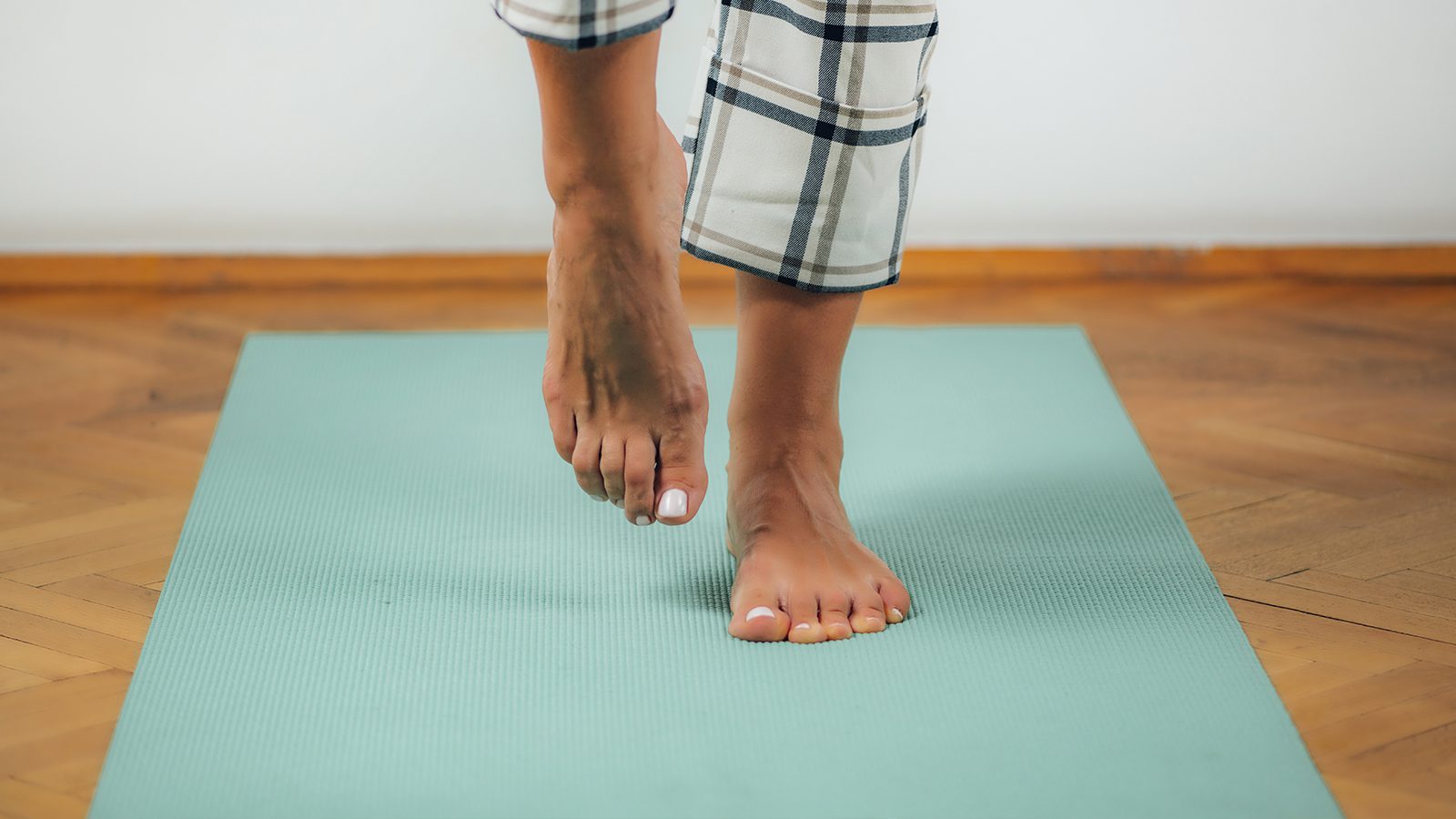
A group of researchers created a study with 1,702 participants between the ages of 51 to 75. Only one-third of the participants were women, and two-thirds were men. The researchers asked the participants to stand on one leg with one leg resting on the back of the other leg. They held their arms at their sides and looked straight ahead. They had three tries and could use either leg they wanted. During the test, 80% of the participants could do the task. Only 20% couldn’t do it, which increased with the age of people.
When the researchers followed up with wellness exams seven years later, they found that 7.2% of the participants had died. Out of the people who died, 4.6% were participants who could stand on one foot for ten seconds, and 17. 5% were those who couldn’t perform the task. Researchers concluded that survival rates were worse for participants who couldn’t stand on one leg for at least ten seconds. Standing on one leg for this length of time or longer shows longevity and flexibility.
As you get older, there is a slight decrease in your physical stamina. If you don’t believe this, all you need to do is to get out on the basketball court with some teenagers and see how you perform. It’s a sad part of life that as you get older, you experience a decline in physical fitness related to:
So, being able to balance on one leg for at least ten seconds is a good sign you have the following things going for you:
Balancing on one leg reveals your physical well-being and longevity. The most significant risk of being unable to do this test is a lack of flexibility. As a result, that rigidity can lead to a fall.
Researchers say that being overweight and lacking flexibility puts you at risk for a fall. According to the World Health Organization (WHO), falls are the second leading cause of accidental death. Adults sixty years and older are at a greater risk of a fatal fall. The health of the person who falls also affects the severity of the injury.
The risk levels result from a slower physical reaction, diminished sensory abilities, and aging-related cognitive changes. Men are more likely to fall than women. Women suffer more non-fatal falls than men.
In this same study, of the participants who couldn’t balance on one leg, there was a higher proportion of problematic health conditions such as these conditions:
Currently, a routine exam does not include this test. However, many physicians feel this test should be part of a wellness exam for middle-aged to older adults. A person in their fifties should stand on one leg for about forty seconds. A person in their sixties typically can do this for around twenty seconds. Someone in their seventies should be able to stand on one leg for ten seconds. Some doctors suggest including this balance when checking vital signs, as it can show a person’s general health.
Different conditions could interfere with your ability to do this test. Things such as:
Of course, if you know you have these conditions ahead of time, you may not be surprised you can’t stand on one leg. But if you find you can’t balance on one leg, you may want to think about these conditions and talk with your osteopath about your concerns. Also, if you have family members with some of these conditions, it’s imperative to investigate your health condition.
Another good predictor of your physical health and brain health is how fast your walk in your midlife. One study found that how fast a person walks could determine their body and brain’s aging tendencies. It could also increase your longevity.
Some people are naturally fast walkers. They race down the aisles of the stores as if their life depended on it. The tendency to walk fast could be genetic. If your mom, dad, grandma, or grandpa were fast walkers, good chance you walk fast too.
But even if you’re not a fast walker, you can include brisk walking in your exercise routine. Walking at a brisk pace improves your fitness. It increases your breathing and pumps your heart. Besides that, it improves your coordination and balance. Finally, it helps reduce your chances of diseases such as these:
Sometimes the simple, everything day things reveal your health. Researchers have found that people who live longer tend to
Of course, if you can’t stand on one leg for ten seconds doesn’t mean you’re going to perish soon, but it could mean it’s time to get healthy. This simple test could motivate you to begin to lose weight or exercise more. Here are suggestions for other things you can do.
Doing flexibility exercises will improve your ease of movement. Being flexible increases the blood flow to your muscles. It also builds muscle strength. Try to do flexibility stretches at least three times a week. These could include the following activities:
If you have a good balance, it will prevent falls. Balance training can help your equilibrium and help you recover quickly from situations where you start to lose your balance. Good balance is essential for playing sports and doing fitness exercises.
Good balance is associated with good core strength. Yoga, tai chi, and pilates help develop balance and core strength.
If you want at-home balance training, try these things at least three or more days a week:
If it’s hard for you to stand to balance on one leg, it could be an indication of your overall health and longevity. Some doctors don’t expect you to stand on one leg during your annual wellness exam, but some feel it should be part of the routine physical you get once a year. Standing on one leg for ten seconds could indicate your muscle strength, mental function, and aerobic fitness.
On the other hand, the inability to do this task could be a good wake-up call for you that it’s time to take your health seriously and get in shape. Maybe it’s time to lose weight, start walking, or take balance training classes. Whatever you decide to do, next time you go to the doctor, if they tell you to stand on one leg, you’ll be ready to show off your flexibility, balance, and overall good health.
Related Articles