Study Links Lower Wages to Faster Memory Loss
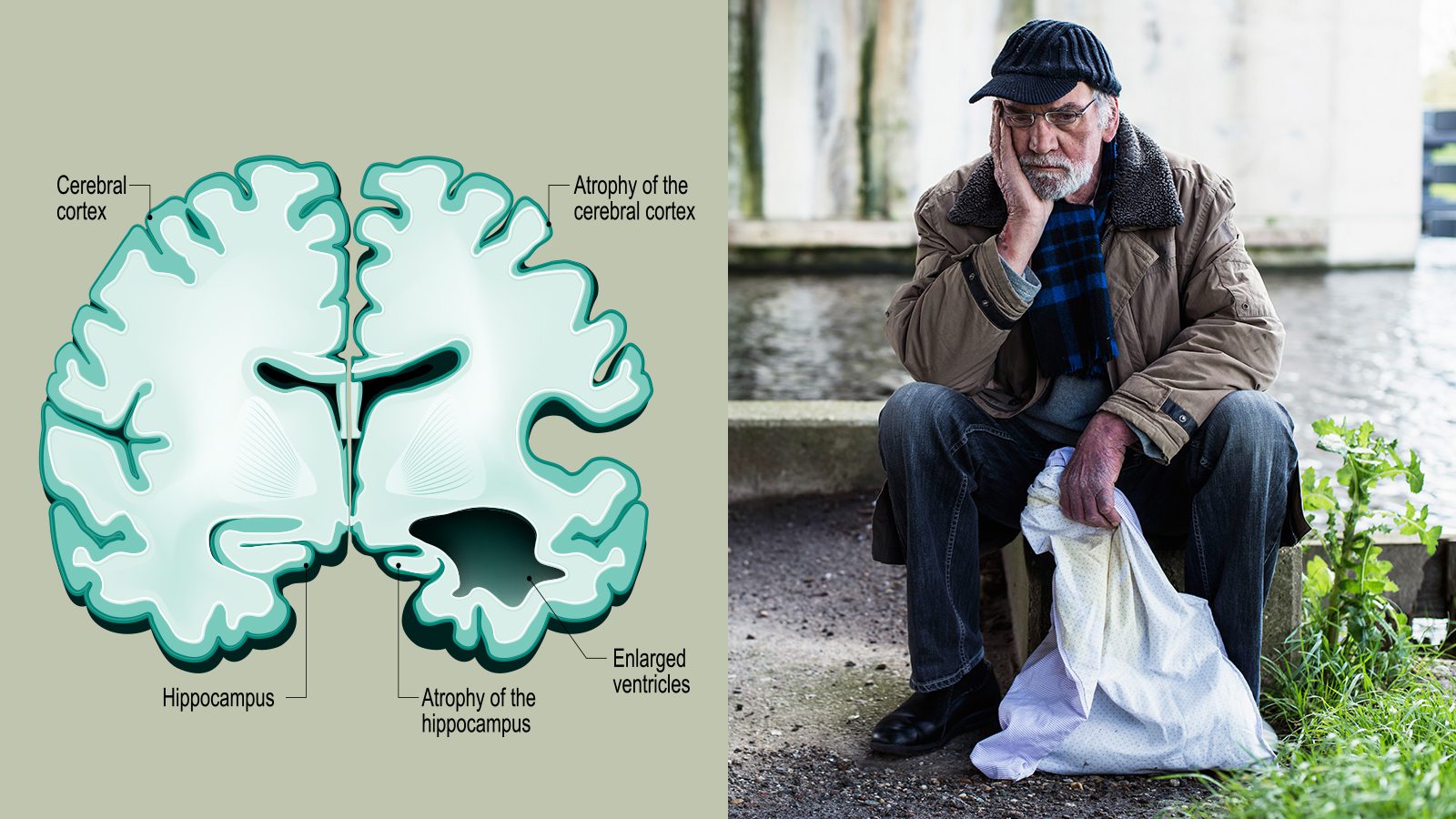
Economic disproportion is related to low income and may increase your risk of a shorter life and other health problems. Researchers have also discovered that lower income is associated with memory loss and poor cognitive function. The outcome of this research could be transformative in preventing diseases like Alzheimer’s disease and dementia. In addition, they found information on how lower wages could lead to faster memory loss.
Researchers believe that a person’s socioeconomic position can affect someone’s:
But the idea that lower economic rank could be related to a higher risk of dementia is relatively new. In this study in the American Journal of Epidemiology, scientists sought to prove that low wages may be associated with rapid memory decline later in life.
The team of researchers looked at 2,879 participants born between the years of 1936 and 1941. Researchers looked at the participants’ earnings between 1992 to 2004, dividing them into three categories:
The team defined low wages as lower than two-thirds of the median salary for the studied years. Researchers then observed participants’ memory decline from 2004 to 2016. They found that participants who constantly earned low wages had a faster memory decline as they age. They concluded that persistent exposure to low wages during a person’s peak earning years was associated with speedier memory decline in old age.
The American federal minimum wage, last raised in 2008, remains at $7.25 per hour. Therefore, these findings provide a good motivation for raising the minimum wage for the well-being of low-wage earners for their cognitive health in the future. Some states with higher living costs raised their state wages to adjust for the rising cost of living, but not all have done so.
The government of Norway, both local and federal, takes responsibility for its citizens. This Scandinavian country provides government-funded healthcare services for all citizens. Scientists knew that citizens had good health care but wondered why the nation’s dementia cases were rising. Norway ranks the twelfth highest in Alzheimer’s disease in the World Health Rankings. Scientists were curious if there was a connection between a person’s early life socioeconomic placement and their risk of dementia later in life. They thought that lower income could cause emotional stress for a person leading to heart disease and, ultimately, cognitive problems. This concept of lower income potentially linked to memory problems hasn’t been explored much, but scientists are beginning to question it.
There’s also growing evidence that individuals participating in cognitive activities early in life decrease their risk of dementia or cognitive decline later in life. One study examined the effects of cognitive leisure activities (CLA), education, and socioeconomic status on participants and their development of Alzheimer’s disease or memory loss. They followed participants for twelve years looking at their cognitive leisure activities. Cognitively active individuals had a reduced risk of memory decline and Alzheimer’s disease. Participants with higher education also had a reduced risk of cognitive decline. Researchers suggest, at least in part, that higher cognitive leisure activities protect you against memory loss and Alzheimer’s disease later in life.
As you age, your cognitive abilities weaken due to aging, poor health habits, and illness. However, cognitive activities can help fight brain deterioration and help improve your memory, ability to focus, and overall mental health. Here are 13 brain-stimulating activities to help you offset cognitive decline.
Finding ways to reduce cognitive decline as you age is essential. Reading keeps your mind mentally sharp at any age. Reading early in life also protects your cognitive function later in life. For example, frequent reading reduces mental decline in older adults of all education levels. Researchers found that reading magazines weren’t as mentally challenging as reading novels or non-fiction books.
When you draw, you focus on perception and memory. Researchers found that the process of drawing helped older adults combat memory loss. Try different styles of pictures, such as these:
Whether you talk about politics, sports, or religion, don’t shy away from a healthy debate. Debating helps you think on your feet and increases new brain neurological pathways. So be sure not to get angry while you debate, and enjoy the mental stimulation.
Play brain-stimulating card games to improve your memory and cognitive functions. Choose games that require logical problem solving or memory retention, such as these classics:
Card games that involve strategy exercise your mind and improve your problem-solving abilities. In addition, it’s important to use parts of your brain daily to help offset dementia and memory loss as you age.
Researchers say that when you participate in word games or solving word puzzles, it improves the cognitive function of the brain.
Take advantage of the benefits of mindful walking. When you head out for your morning walk, concentrate on the wind, the sky, and the sunshine on your face. Breathe in the air and listen to all the sounds around you. These simple activities provide stimulation for your senses and boost your brain health.
Listen to details when others are talking. Then paint a mental picture of what they’re saying to you. Doing this promotes new brain cell growth and stimulates your memory.
Stress is a memory killer. Find daily ways to reduce your stress. For example, try yoga, walking, drawing, or reading to lower stress levels daily.
Learning something new can help stave off dementia in later life. You don’t need to take a formal class, but find ways to educate yourself—book clubs, cooking classes, or learning a new language. Choose whatever interests you. The key is to keep learning to build your cognition.
When you listen to any music, your brain gets a good workout. Listening to music also lowers your blood pressure, improves your ability to sleep, and boosts your mood and mental alertness. Plus, it would be best to use your memory to sing the words.
Feel free to redecorate your house because it’s good for your brain. Hang a few new pictures, change your furniture arrangement or put down a new rug. These activities stimulate your brain and encourage new brain cell growth.
Find ways to challenge your brain by needing to come up with answers. The stimulation of answering questions helps your memory and builds your brain connections.
Researchers have discovered a connection between a lower income and an increased risk of memory loss. Individuals who earned less money in their midlife years were more likely to develop Alzheimer’s or dementia when they got older. Besides building your income opportunities early in life, making good health habits is essential to reduce your chances of cognitive decline later in life.
Related Articles