Doctors Explain 12 Things That Help if You Live With Lupus
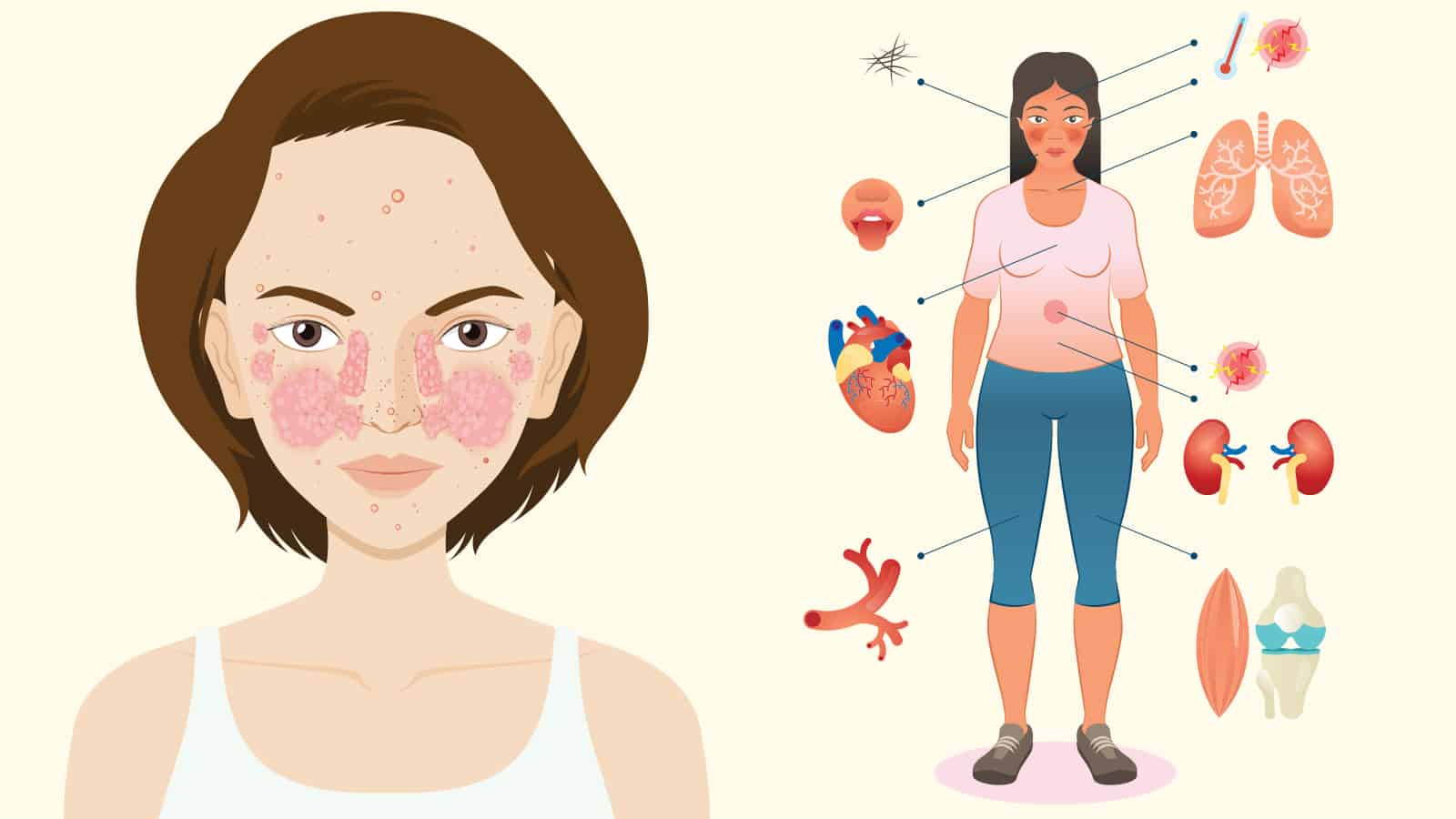
Lupus is an autoimmune disease that causes skin, joints, kidneys, brain, blood cells, heart, and lungs inflammation. Like other autoimmune diseases, your immune system attacks your body’s tissues. Lupus means “wolf” in Latin. A 13th-century doctor first used this word to describe the facial lesions he found on a patient because they reminded him of a wolf’s bite. Living with this disease is challenging.
Statisticians estimate that approximately 1.5 million Americans suffer from this painful disorder. If you or someone you know has lupus, doctors suggest these twelve tips for living with lupus.
Diagnosing an autoimmune disorder isn’t easy. Some lupus symptoms are similar to other autoimmune diseases. A diagnosis may take weeks or months. The most accurate test is a blood test looking for autoantibodies. Your doctor will also do a biopsy of your kidneys or skin. Your doctor will evaluate your long-term medical history to see if you have other risk factors that point to lupus. Once the physician reviews necessary blood tests and biopsies, your doctor can determine if you have it.
Lupus is most common in women of childbearing age. However, men, teens, and children can also develop it. It attacks many parts of your body, but some common symptoms exist.
It’s not clear what causes lupus, but doctors think it develops from a response to several factors inside and outside your body, including the following:
Hormones regulate your body’s activities. It’s thought that because so many people with lupus are women, there could be a relationship between estrogen and lupus. Some women have lupus symptoms before their menstrual period or when estrogen levels are highest during pregnancy. Still, no real connection seems to exist between estrogen and lupus. More women than men get an autoimmune disease, but doctors don’t know why.
Genes could be part one significant risk factor, especially if your family has a history of autoimmune diseases in family members. Certain ethnic groups are more prone to lupus, including the following:
The environment may be another cause of this autoimmune disorder. It’s not clear what specific environmental things could be the cause. Silica dust, industrial chemicals, UV rays from light bulbs, sulfa drugs used in antibiotics, or viruses are all possible environmental causes.
At times, lupus symptoms can get worse. This is called a lupus flare. Lupus flares come and go, making you feel sick. Sometimes, there’s a clear cause, but often they show up for no reason.
If you have lupus, you can try these tips to help reclaim control of your life. However, if you get treated in a hospital and need more care afterwards, you can always get assistance from a post-hospital care service.
The first tip for living with lupus is to learn everything you can about the disease. The more you know about lupus, the better chance you can take care of yourself and manage your symptoms.
Learn what triggers your flare-ups. Once you understand your triggers, you can avoid them or at least lessen their effect. Common triggers to avoid include the following habits:
Lupus triggers
Once you’re diagnosed, your life will change. You won’t be able to do things you used to do. Your friends may want to go out for drinks after work, but you must go home and rest. Family members may expect you to join them for a vacation at the beach. But you shouldn’t have extended periods in the sunlight. You’ll need to take good care of yourself to avoid worsening symptoms. It’s all part of life with this disease.
There’s a strong connection between lupus and a healthy heart. Eating nutritious foods and exercising reduces your risk of heart problems. Consume many veggies, fruits, lean proteins, and whole grains for optimum health. Other health considerations you should know about lupus include:
Dealing with lupus isn’t easy. Find local support groups to meet other people with this condition. Having the support of these people who genuinely understand what you’re going through will help you not feel alone on your journey with the disease.
Like other autoimmune diseases, stress affects how you feel when you have lupus. It would help if you reduced stress as much as possible. Otherwise, your symptoms worsen, and you can have a lupus flare. Sometimes stress is unavoidable, but you can lessen your pressure with things like
Limit your sun exposure and your time under fluorescent lights. A study found that skin exposure to ultraviolet light worsens symptoms of lupus. A single exposure to UV light sets off inflammation and injury to the kidneys. Many people living with lupus notice their other symptoms get worse when exposed to UV rays of sunlight. Exposure to sunlight causes severe symptoms, including:
Avoid the sun as much as possible. Wear sunglasses, long sleeves long pants, and sunglasses if you need to be outside.
Sleep is essential to offset your lupus symptoms. Not getting enough sleep increases your inflammation, depression, and joint pain. Lack of sleep adds to your extreme fatigue. Try to allow yourself at least 7 to 9 hours of sleep every night. Set up a regular bedtime routine to help you fall asleep.
When you have lupus, it’s okay to do moderate exercise as long as your doctor gives you the okay and you’re feeling well enough to do it. Try things like
If you’re feeling well, skipping your regular doctor visits is tempting. But they’re essential to stay connected to your doctor so they can evaluate how you’re doing and recommend changes to your medication or routines. Plus, if you have a flare-up that requires hospitalization, as they sometimes do, your doctor will be up to date on your condition.
Lupus is a lifelong disease, but you don’t need to give up. Like so many things in life, your perspective often changes the quality of your life. You can live relatively everyday life as you understand lupus and learn to watch for its triggers. Many people with lupus lead fulfilling, happy lives, and you can too.
There are many local and national lupus programs and resources to help you. When you’re dealing with a chronic condition, it’s helpful to have others to talk to. The Lupus Foundation of America offers people living with lupus help.
Even though there is no cure for this autoimmune disorder, and some people die from the disease, many people living with lupus can lead a routine life. This disorder varies in its intensity and symptoms. Some individuals have mild or moderate cases, while others have more severe symptoms. Severe flare-ups can be life-threatening, which is why management is so important.
Once you find out you have this disorder, your life will be different. You’ll want to find ways to deal with living with this autoimmune disease, such as learning as much as you can about lupus, eating healthy foods, and being sure you get enough rest and sleep. Because of better treatment and early diagnosis, lupus isn’t a death sentence. Still, it would be best to take precautions to avoid flare-ups. Most of all, don’t despair if you receive this diagnosis. Many people with lupus lead happy, fulfilling lives, and you can, too.
Related Articles