15 Ways to Lower Cholesterol
Did your doctor advise you of the need to lower cholesterol levels to avoid a heart attack or stroke?
If so, maybe you nodded along, agreeing with the doctor-speak. And now–here you are. So what is cholesterol, and why does it matter?
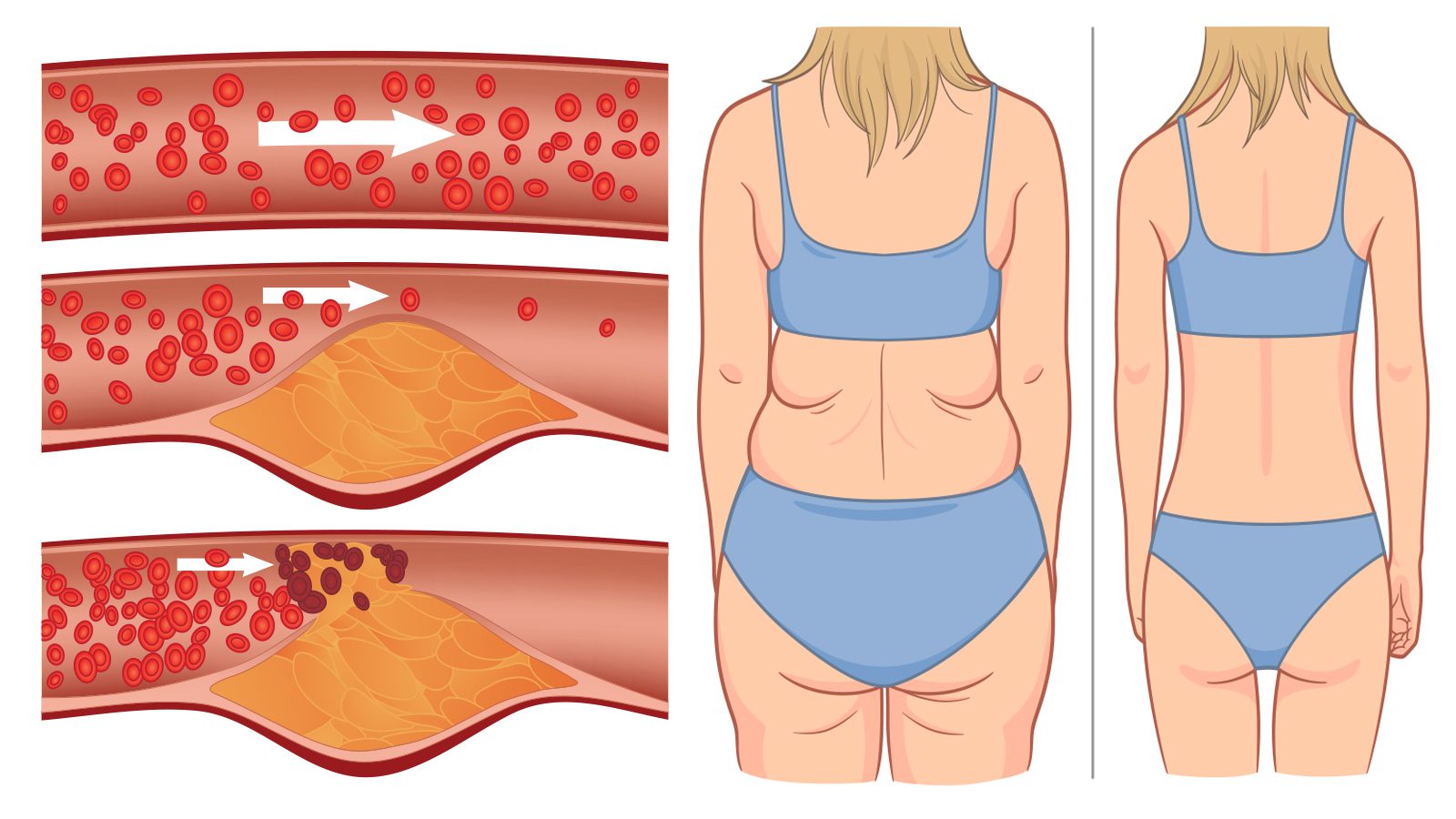
Cholesterol is the waxy, fat-like material made in your liver. It exists in all your blood cells. Your body requires it to make your tissues, hormones, cell walls, bile acid, and vitamin D. Too much cholesterol in your body threatens cardiovascular diseases. High cholesterol releases fatty deposits in your blood vessels. As these deposits grow, they prevent blood flow through the arteries.
These “bad cholesterol” (LDL) deposits sometimes break off, forming a clot that causes a stroke or heart attack. Because high cholesterol has no symptoms, you won’t know if your cholesterol. The goal is to increase your “good cholesterol”(HDL) and lower your LDL with lifestyle changes.
According to the Centers for Disease Control (CDC), 38% of United States adults have high cholesterol. That’s approximately one out of every three adults. Because you won’t know if you have high cholesterol, you should check your cholesterol with a blood test at least once a year to check your levels. Your levels are affected by stress and diet, but genetics may also play a significant role. So even though you eat well and exercise, genetic makeup significantly influences your health.
Cholesterol is measured in milligrams per deciliter (mg/dL).
Here are some other things that raise your levels.
Now that you understand the need to drop LDL and raise your HDL, here are some ways to do it.
Believe it or not, sweating can lower your cholesterol levels. Getting physical exercise is key to keeping your numbers down. It’s best to mix high-intensity training with lower-intensity workouts. This type of exercise boosts your LDL levels and helps you avoid a heart attack or stroke. Try these exercises to lower your cholesterol:
Salmon is rich in omega-3 fatty acids. This type of fat boosts your HDL. This “good” type can help to cleanse your artery walls and helps prevent plaque build-up. Salmon is unsaturated fat. It is full of nutrients and protein. If you’re trying to lower your LDL, eat fatty fish like salmon at least twice a week. Other omega3-rich fatty fish you should add to your diet include:
Drinking a small amount of red wine helps lower your cholesterol. Moderate means drinking no more than one glass of red wine daily for women and two glasses of wine for men. Red wine is high in antioxidants. They help keep your blood vessels strong and healthy. However, consuming too much alcohol leads to serious health problems like heart failure, stroke, and high blood pressure.
Oatmeal is a superfood. It’s one of the best cholesterol-fighting soluble fibers you can eat. Soluble fiber lowers your LDL by creating a sticky layer in your small intestines. This sticky layer prevents cholesterol from getting into your bloodstream. However, avoid eating oatmeal packets because they contain a lot of sugar. Instead, making oatmeal and sweetening it naturally with fruits is best.
Beans contain cholesterol-fighting fiber. They’re high in protein which is a good substitute for animal proteins. Beans block cholesterol from being absorbed from your intestines into your bloodstream. You can add any type high fiber bean to your diet to help lower your cholesterol, including
Avocados are high in monounsaturated fats and HDL (the good kind), lowering your LDL (the bad). They’re also high in antioxidants, phytosterols, and fiber. Spread avocado on toast or add it to a fresh salad for a heart-healthy addition to your diet.
Snacking on nuts such as walnuts, pistachios, and pecans is an excellent way to lower your total cholesterol and your LDL or bad cholesterol. Nuts are high in fiber, vitamins, and monounsaturated fats. However, limit how many nuts you eat because they’re high in calories. Instead, add nuts to your morning oatmeal and salads, or mix with dried fruits to make trail mix.
The healthiest nuts you can eat to help decrease your cholesterol include:
Fermented foods aid the gut, but studies show that fermented vegetables, like cabbage, improve cholesterol. Kimchi is a Korean fermented dish made from radishes or cucumbers and cabbage. The natural fermentation process creates good bacteria that are healthy for your gut. Kimchi also contains bioactive ingredients that block cholesterol from absorbing into your bloodstream. These good bacteria also lower your cholesterol. Other fermented foods that help lower your cholesterol include:
Dark chocolate has a lot of antioxidants called flavonoids, which aid in lowering cholesterol. This type of chocolate protects against oxidation of your good cholesterol or LDL. It does this by causing less cholesterol to stick to your arteries. Adding dark chocolate to your diet can help your risk of having a heart attack or stroke.
Eating garlic for medicinal purposes has been advocated for thousands of years. Scientists acknowledged the benefits of eating garlic for cancer-fighting effects, but a recent study found that garlic also has cardiovascular benefits by lowering cholesterol. Garlic contains cholesterol-fighting anti-inflammatory properties and antioxidants. In addition, garlic is a blood thinner. Eating just one garlic clove daily can help decrease your total cholesterol and raise good cholesterol or LDL.
Use liquid vegetable oils instead of butter, lard, or shortening. Cook with oils such as
In general, it’s good to increase your soluble fiber. Soluble fiber comes from plants. It does not absorb into your intestines but binds with cholesterol and removes it from your body. Eating five to ten grams of soluble fiber helps lower your overall LDL. Thus, it helps decrease your risk for a stroke or heart attack.
When you quit smoking, you improve your good cholesterol. In addition, researchers say that people who quit smoking see noticeable differences in their heart rate and blood pressure. Quitting smoking also helps your lungs function better and lowers your risk of heart disease.
Being overweight increases your LDL. Even small changes like eliminating fast foods and switching to water instead of sodas will help you lose weight. Carrying extra weight raises your bad cholesterol. Having excess fatty tissues accounts for more fat in your liver. Even moderate amounts of weight loss help lower your cholesterol.
When you’re feeling under pressure, it raises your risk of high cholesterol. This stress releases a hormone called cortisol. High levels of cortisol trigger triglycerides, which boost your “bad” LDL. The best ways to lower your stress include:
All these combined will lower your stress levels and prevent a stroke or heart attack.
Cholesterol is necessary for a healthy body, but too much cholesterol builds up fatty deposits in your blood vessels. This bad kind, or LDL, can break into a clot, resulting in a heart attack or stroke. High LDL has no symptoms, so you can’t know your cholesterol is high unless you get a blood test to check it. It’s possible to lower your LDL and increase your HDL through lifestyle changes, healthy eating habits, and physical exercise. These fifteen suggestions will help you lower your cholesterol naturally.
Related Articles