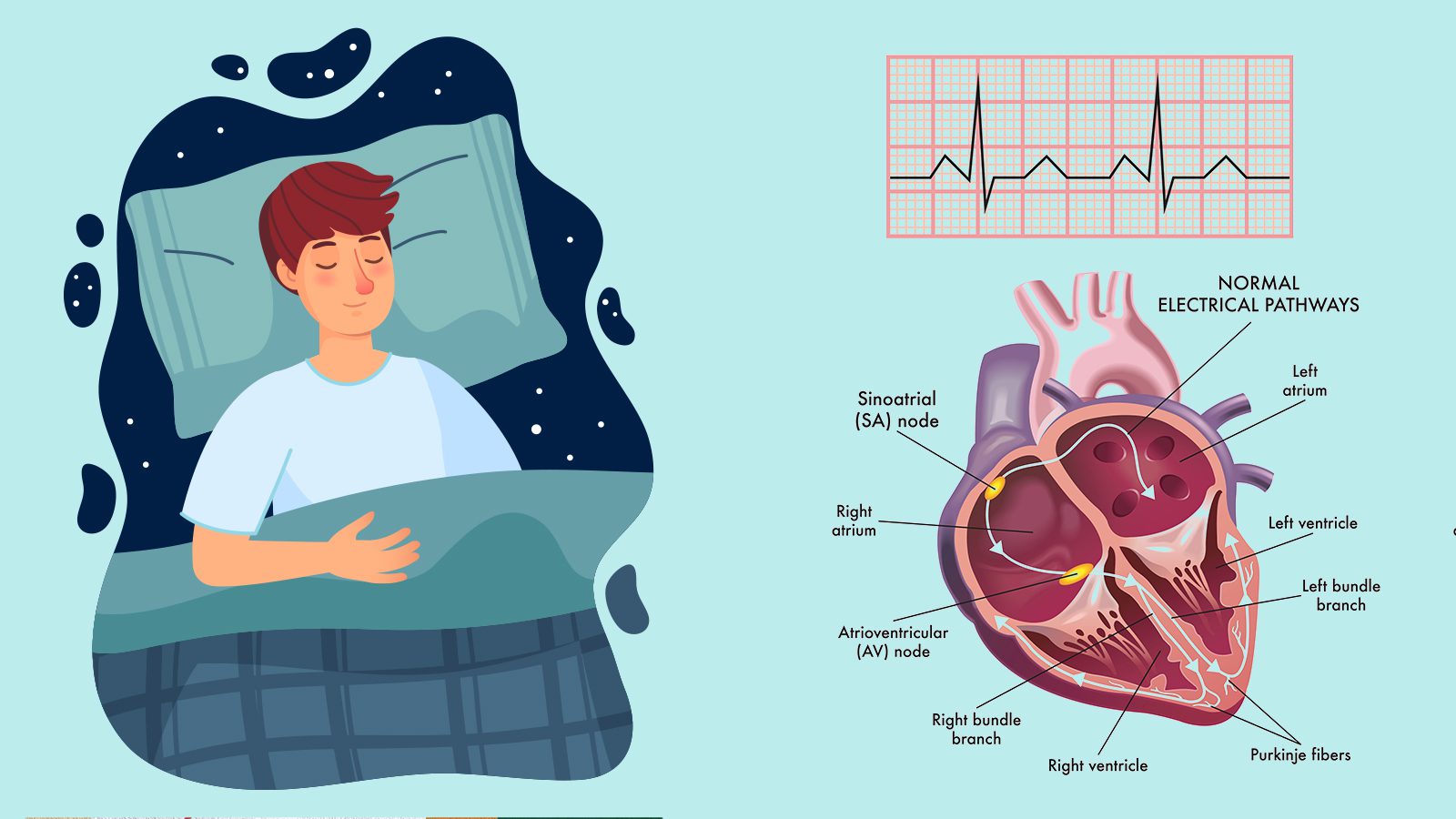
AHA Study Confirms That Sleeping Well Improves Heart Health
A recent study by the American Heart Association found a link between sleeping soundly and heart health. As a result, they recently updated their checklist to measure cardiovascular health to include sleep quality and duration. Other items on the list include these important heart health and lifestyle factors:
Now, the AHA considers sleep essential to optimal brain and heart health. The organization recommends that adults sleep seven to nine hours per night. Children should sleep longer depending on age, they say.
The AHA calls the checklist that measures cardiovascular health Life’s Essential 8™, which replaced the previous Life’s Simple 7™. They published their latest guidelines for heart health in the AHA’s peer-reviewed journal Circulation.
The AHA also updated other ideal cardiovascular health measures for people aged two and older. It includes updates on healthy eating habits and exposure to secondhand smoke or nicotine via vaping. Diet guidelines also use non-HDL cholesterol instead of total cholesterol to measure blood lipids. Finally, blood sugar measures include hemoglobin A1c, an important measurement to predict diabetes risk.
Cardiovascular disease remains the leading cause of death in the United States and worldwide. The AHA’s 2022 Heart Disease and Stroke Statistics Update found that around 121.5 million people in the US have hypertension. One hundred million suffer from obesity, while over 28 million have Type 2 diabetes. Additionally, only 25% of adults reported engaging in the recommended levels of exercise, 150 minutes of moderate to intense aerobic activity per week.
However, many studies have discovered that over 80% of cardiovascular disease is preventable. Healthy lifestyle habits such as diet, exercise, and managing other risk factors can stave off risks. Sleeping well also can lower the risk of heart disease, according to the latest findings.
“The new metric of sleep duration reflects the latest research findings: sleep impacts overall health, and people who have healthier sleep patterns manage health factors such as weight, blood pressure, or risk for Type 2 diabetes more effectively,” said American Heart Association President Donald M. Lloyd-Jones, M.D., Sc.M., FAHA, who led the advisory writing group.
He’s also the chair of the department of preventive medicine and the Eileen M. Foell Professor of Heart Research. Additionally, he’s a professor of preventive medicine, medicine, and pediatrics at Northwestern University’s Feinberg School of Medicine in Chicago.
“In addition, advances in ways to measure sleep, such as with wearable devices, now offer people the ability to reliably and routinely monitor their sleep habits at home.”
Over the last 20 years, scientists have made remarkable discoveries on the mind-heart-body connection. As new research came out, the AHA wanted to update its guidelines with the latest information on cardiovascular health. Four of the original metrics have been updated with newer guidelines or compatibility with cutting-edge measurement tools.
The AHA divided their Life’s Essential 8™ elements of ideal cardiovascular health into two categories: health behaviors and health factors. Health behaviors include diet, physical activity, sleep, and nicotine exposure. Heart health factors include BMI, cholesterol, blood sugar, and blood pressure measurements.
“The idea of optimal cardiovascular health is important because it gives people positive goals to work toward at any stage of life.”
“Life’s Simple 7™ has served as a proven, powerful tool for understanding how to achieve healthy aging and ways to improve cardiovascular health while decreasing the risks of developing heart disease and stroke, as well as cancer, dementia, and many other chronic diseases,” he said. “Given the evolving research, it was important to address some limitations to the original metrics, particularly in ways they’ve been applied to people from diverse racial and ethnic populations.”
He added that prior metrics such as diet weren’t as responsive to differences among populations. Also, the guidelines weren’t as sensitive to dietary changes in a single individual over time. So, they decided to delve into the research and refine the metrics to help people improve their heart health. These guidelines can improve many other facets of health as well.
So, in addition to sleeping well, it’s essential to adhere to the other pillars of health. Regular exercise, a healthy diet, keeping your stress low, and managing health conditions can improve your heart health. Also, diet, exercise, and other positive life changes can improve sleep if you have insomnia.
Many people in the modern world suffer from poor sleeping quality, which can affect other aspects of life. However, the AHA reveals why we should all make sleep a priority to restore balance to our minds, bodies, and hearts.
Related Articles