15 Exercises to Heal Frozen Shoulder
Physical therapists provide insights into possible exercises and their benefits in addressing frozen shoulder, or adhesive capsulitis.
Frozen shoulder, or adhesive capsulitis, makes your shoulder feel stiff or painful. When you experience this condition, you’ll also likely have motion limitations. Exercise can help ease the issue and allow you relief.
Exercises for healing adhesive capsulitis involve relieving pain and restoring your range of motion. You’ll want to warm your shoulder before exercising by taking a warm shower or bath for about 15 minutes. Once you begin your exercise routine, push yourself until you feel tension but not pain in your shoulder.
Before starting a new exercise routine, it’s essential to understand frozen shoulder. Understanding what’s happening can help you choose the best exercises.
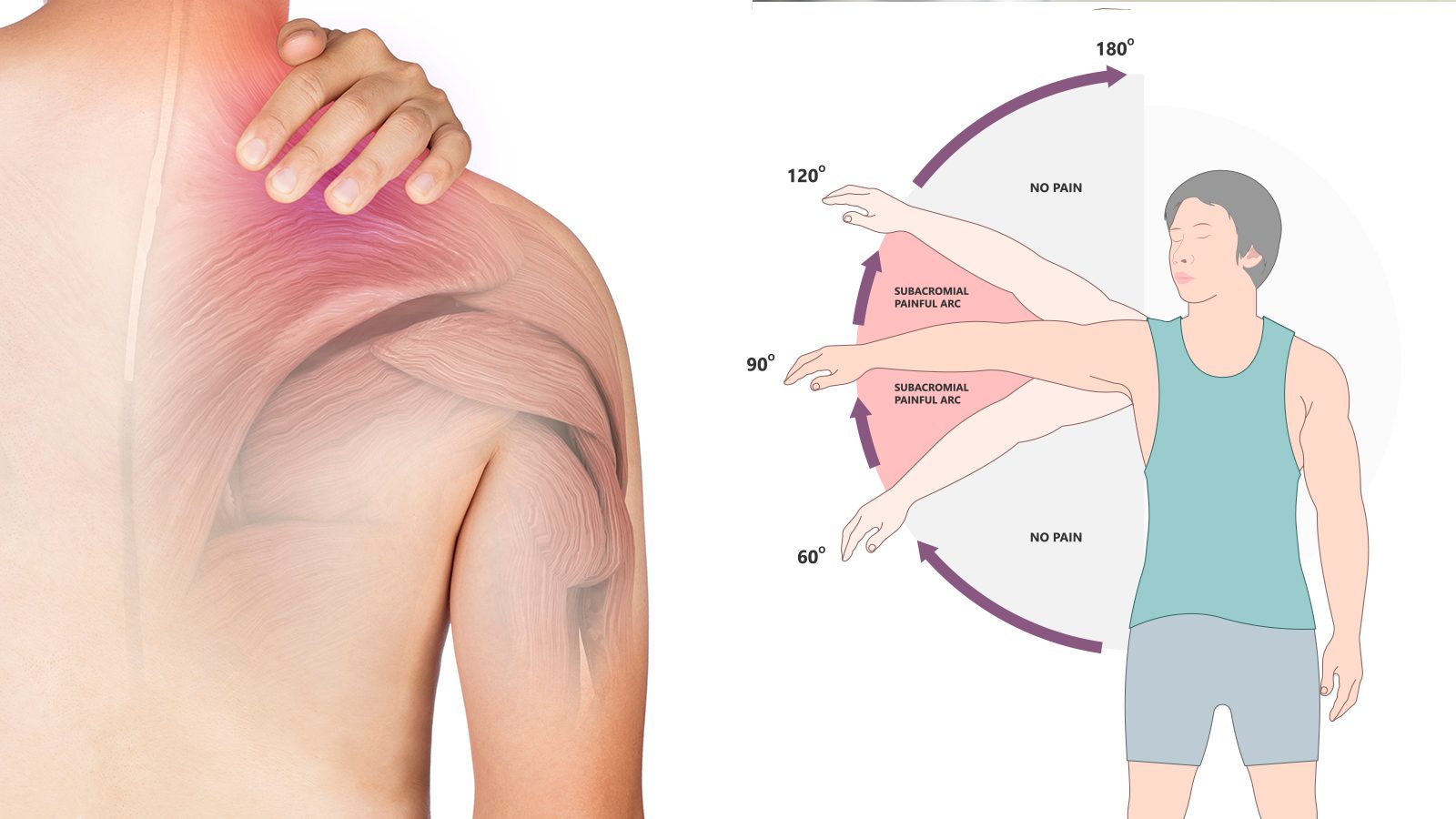
Adhesive capsulitis affects your shoulder joint because the connective tissue surrounding the joint thickens and tightens. When this happens, it causes shoulder stiffness, making it hard to move because it causes a limited range of motion. It also can cause discomfort or pain that hinders your ability to do your daily tasks.
If you experience pain from a frozen shoulder, it likely starts with minimal discomfort. However, it often worsens and impacts your life.
You might get this condition from an injury or surgery that limits mobilization for a while. Diabetes can also trigger frozen shoulder. People between 40 and 60 are more likely to experience it, and women have a higher risk than men.
The condition can last for years, but you can ease the symptoms gradually. Exercising is one of the best ways to begin healing, reduce pain, and improve range of motion.
Shoulder stretches can help ease the discomfort of frozen shoulder and increase flexibility. Gentle stretching is essential because it can help increase mobility, reduce pain, and improve strength. It also helps you prepare for physical exertion and more intense exercise.
Some of the stretches you can try include the following:
You can sit or stand for this stretch, so choose whichever position you prefer.
Resistance training can improve joint functioning and help ease symptoms of frozen shoulder. Shoulder strengthening is beneficial because it can relieve pain, make daily tasks easier, and prevent further injury.
Some of the exercises you can do to build muscle strength include:
Shoulder mobility and movement exercises can ease the issues associated with a frozen shoulder. They help improve joint movement and allow you to return to your routine. Here are some ideas to try:
Balance training and stability exercises can ease frozen shoulder symptoms. It helps improve body balance for overall well-being. Here are some of the balance exercises you can try for frozen shoulder:
Yoga poses or pilates for shoulder health can help ease pain and improve mobility. They are also mind-body exercises that help you focus on specific areas of your body. Here are some of the yoga poses and pilates exercises you can try:
Physiotherapy for frozen shoulder involves therapeutic exercises for rehabilitation during recovery, helping to restore mobility and reduce pain. If you’re in the area, physiotherapy camberwell vic offers specialized care tailored to your specific needs, ensuring a faster and more effective recovery. This exercise type is one of the most commonly recommended for adhesive capsulitis.
Here are some options that can help treat, recover from, and prevent frozen shoulder:
Aquatic therapy, or pool therapy, involves water-based exercises. These exercises help because the buoyancy of water provides many benefits, including:
If you’re experiencing frozen shoulder, safe exercising is essential, and it’s sometimes best to seek professional guidance. Avoiding overexertion is necessary to prevent further injury. You should feel tension but not pain during each exercise.
Warm up and start slowly, gradually increasing the intensity or speed if you feel comfortable. Ease up if you notice pain so you don’t worsen your condition.
Discuss your situation with a healthcare professional before beginning a new exercise routine to ensure it’s safe for you. You may also consider a physical therapist who can guide you through the exercises to ensure you use the correct form.
Exercising can help manage and heal frozen shoulder, allowing you to feel better and perform your daily activities. Physical therapy for adhesive capsulitis helps ease pain and stiffness and increases your range of motion.
Be consistent with daily exercising, and target the affected shoulder or the best results. When you stick to your routine and ensure safe practices, you’ll reap the benefits of exercise in managing shoulder stiffness. Once you experience pain relief, continue exercises to prevent it from occurring again.
Related Articles