4 Breathing Exercises to Improve Endurance
With concepts like meditation, grounding, and mindfulness becoming more and more present in the world of well-being and athletic endurance, you’ve likely seen plenty of breathing exercises you can try. Of course, some work better than others, but most have the uncanny ability to calm you down when you’re feeling significantly stressed out.
Did you know that breathing exercises do more than help you stay stress-free? They can change your entire state of health. It sounds far-fetched, but breathing powers the body and keeps it alive. It’s no wonder that respiration style and health can so dramatically affect your cognitive and physical functions!
If you’re an athlete, you probably pay attention to breathing. How you draw and release breath can completely change how you perform on the field, so you’ve likely spent a lot of time focusing on your breathing. But did you know that you can “train” your respiration to make you a better athlete? Here are four breathing exercises to improve athletic endurance and performance.
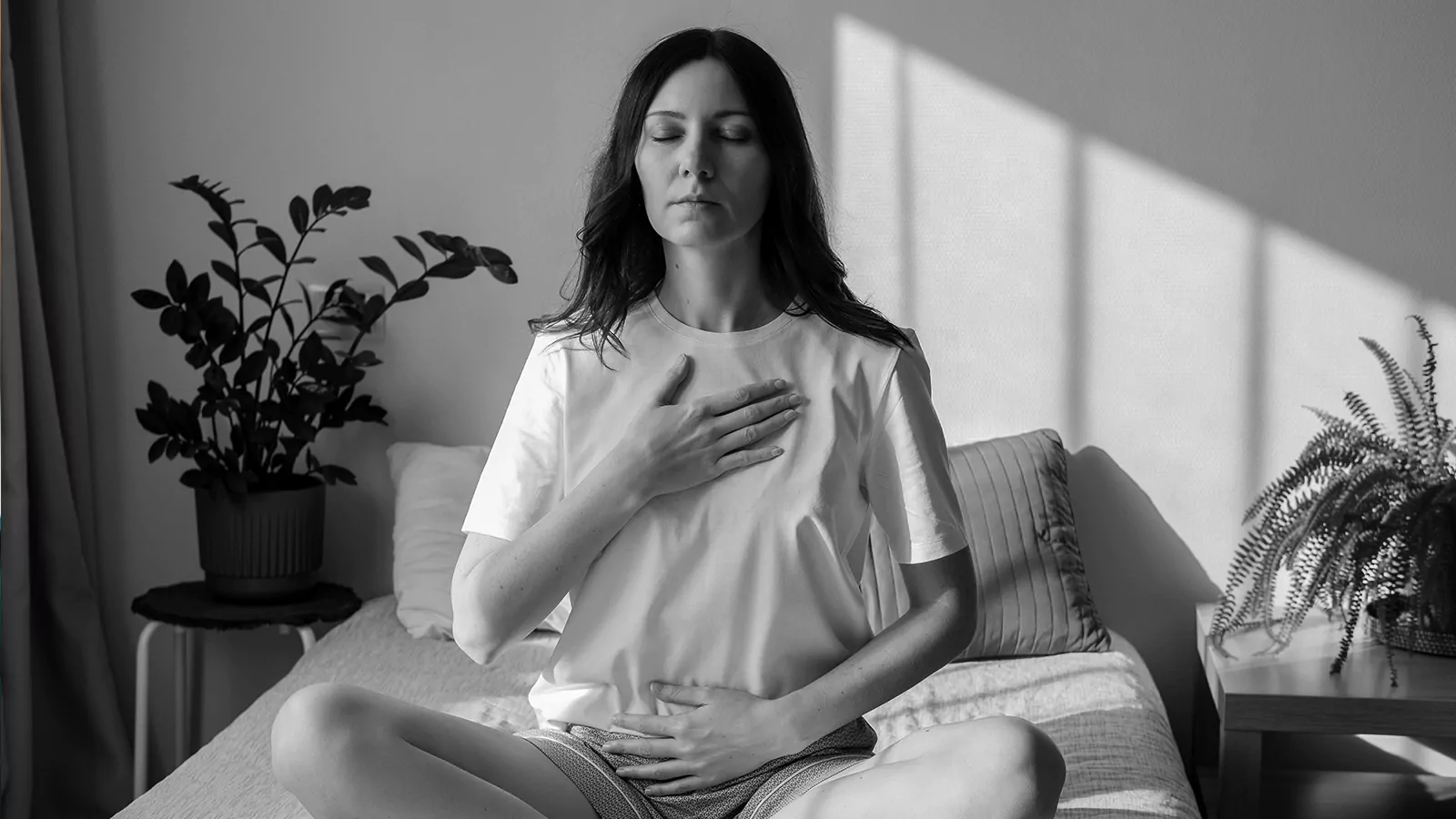
Diaphragmatic breathing, also known as deep belly breathing, is the kind of respiration where your stomach rises and falls as you inhale and exhale. You’ve probably seen babies breathe deeply like this, but most adults use their chests instead. Studies have shown that it can positively affect the stress experienced by athletes, and it’s one of the best breathing exercises to improve athletic endurance.
Reverting to diaphragmatic breathing is so powerful because it helps to activate the parasympathetic nervous system. This is what the body uses to digest and rest. When activated, it slows down your heart rate and conserves energy, putting you into a state of relaxation and groundedness. It’s no wonder that research has shown that it can calm anxiety and depression and ease their symptoms!
The best time to do breathing like this is when you’re doing a warm-up for training, when you’re about to do a big event of some kind or any time you think stress is affecting your performance. It’s one of the best breathing exercises, so use it whenever needed.
Most breathing exercises focus on inhalation, but did you know prolonged exhalation may be more beneficial for athletic endurance? This is because exhaling triggers the parasympathetic nervous system instead of inhalation, which activates the sympathetic nervous system.
Think about it – when you’re anxious, you tend to breathe in very deeply at a quick rate, and this makes you feel dizzy and causes hyperventilation. Likewise, as an athlete, you are likely to feel these effects when you gasp for breath or attempt to recover from a particularly taxing physical activity. This is because the more you hyperventilate, the less oxygen can enrich the cells that travel to your brain.
This is quite the opposite of endurance and is much more likely to render you unable to perform well! So, what should you do instead? Research indicates that lengthening your exhalations can allow you to control your fight-or-flight response. This enables you to regulate your nervous system, preventing the pitfalls of overly quick inhalations.
At the moment, while you’re out on the field, you can mitigate these effects to lengthen your endurance with these steps:
You can also practice slow or long exhalations as a habit or routine, allowing you to develop longer exhalations naturally. Soon, you will automatically extend your exhalations whenever you take deep breaths, leading to better long-term stress management. Most importantly, you will continue to breathe this way when performing strenuous activity, which will balance your body’s use of oxygen and improve endurance. Here’s how to practice these breathing exercises as a habit.
This is a great way to recharge your stamina. You can perform long exhalations, such as the day before a big event where athletic endurance is key. It’s also helpful when you’re anxious, have difficulty sleeping, or need to calm down.
Also known as Bhramari breathing, this technique is common in Indian yoga and is one of the most powerful. Research has long shown its many health benefits, providing instant calming effects, enhancing cognitive function, and improving athletic performance.
The humming noise that you produce when practicing this form of breathing can be a helpful way to drown out unhealthy rumination. Instead of being stuck on a mental loop, you’ll be focused on your voice and how it ripples across your features.
This is a pranayama or a breathing exercise best learned from a yogi. If this isn’t possible, you may attempt to learn it yourself. For that, we’re here to help! There are many variations of humming bee breathing. However, the most common way to do this is with these steps.
Many people scoff at these breathing exercises because they feel silly or uncomfortable. But at the end of the day, they work wonders for athletes and are great to do before big athletic events. They can also be helpful when you’re experiencing congestion, feeling stressed out, or having to focus on something.
Abdominal hollowing is one of the more multipurpose breathing exercises. According to studies, it also provides stabilization training for the pelvis and spine. It’s a fantastic way to exercise your core while gaining endurance from a new breathing practice. Here’s how to do it.
This exercise allows you to gain total and complete exhalation while breathing, improving your performance while providing tons of other benefits, such as relaxation and better cognitive function. With regular practice, you will make complete exhalations naturally and without thinking about it during your everyday life.
Breathing exercises work like magic when it comes to improving endurance. The more healthily you breathe, the more your body can do. When oxygen flows into your brain and muscles in rich amounts, you’ll be able to reach your full potential from an athletic and cognitive standpoint.
So try these breathing exercises at home. Think of it as part of your training regimen! Of course, if you like, you can add other aspects, such as following guided meditation videos or incorporating visualization into these exercises. Whatever the case, you’ll be amazed by how much your endurance may improve!
Related Articles