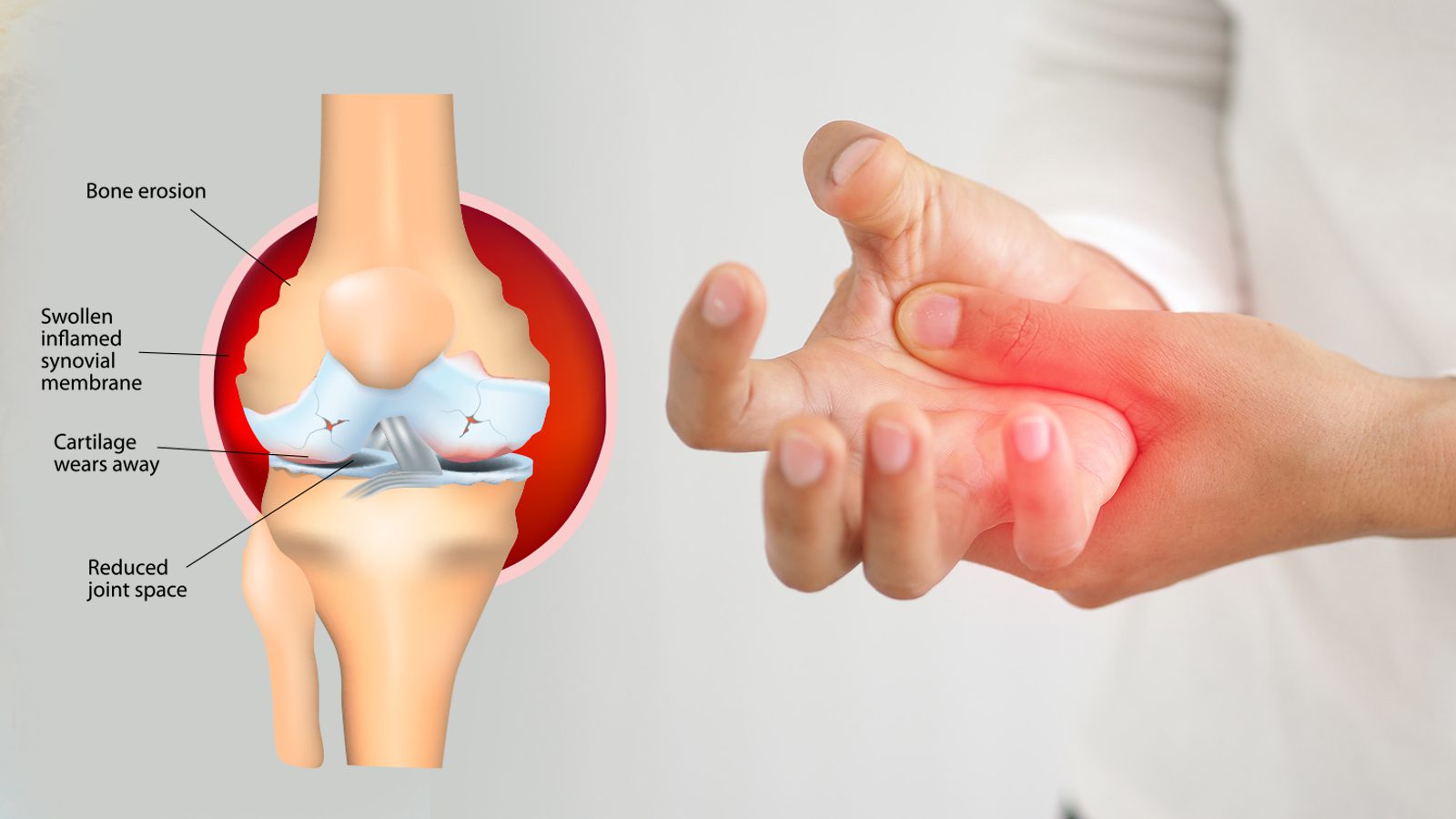
18 Symptoms of Autoimmune Arthritis That Most People Ignore
Perhaps you heard someone mention autoimmune arthritis–like rheumatoid or psoriatic arthritis. But do you know how to identify the debilitating symptoms?
Typically, your immune system produces antibodies to protect your body from bacteria and viruses. But sometimes, your immune system creates antibodies that go after your body’s healthy tissue and cells, which leads to an autoimmune condition in which these super antibodies continue to attack your body’s healthy cells. The only treatment is to suppress your immune system to suppress its inaccurate immune response.
The most common autoimmune diseases today are as follows:
This article deals specifically with autoimmune arthritis, but those common ailments are worth noting.
Autoimmune diseases affect more than 23.5 million people in the United States. Today, it’s the leading cause of disability and death. Anyone can get an autoimmune disease, but certain groups are at greater risk.
Many types of autoimmune diseases attack your joints. Some of the most common autoimmune arthritis include:
If your grandma talked about her rheumatism, she might have been talking about her painful joints. People often use the words rheumatism and rheumatoid arthritis interchangeably. Rheumatism is a medical condition with painful swelling and inflammation of your joints, connective tissues, and muscles. Rheumatism comes from the old Greek word “rheum,” which means flow. The idea was that you had flowing humors that caused pain and stiffness in your body. So in ancient times, if someone had “troubled with rheum,” they probably had rheumatism.
Here are eighteen common symptoms of this autoimmune disease.
It’s normal to feel stiff occasionally, especially if you’ve been doing lots of physical exercises. But if you feel achy and constant pain in all your joints, it could be a symptom of rheumatoid arthritis.
We often chalk stiffness up to getting older and constant use. If you played sports in school, you might feel the effects of it later in life. But if you have noticeable stiffness in every joint, don’t ignore it. These symptoms result from sports back then but could be an autoimmune problem like rheumatoid arthritis (RA) or other arthritic conditions.
Some of the first noticeable signs of RA are swelling and tenderness in your joints. It hurts to touch them. They may get red and feel inflamed. The swelling occurs because fluid builds up around and in your joints. The swelling can also cause long-term joint damage.
If you haven’t changed your diet or started exercising but notice you’re dropping pounds, you should monitor your health. Unexplained weight loss may seem like a blessing, but it’s a red flag for several health conditions, including autoimmune arthritis. Weight loss is an easy symptom to ignore. It usually accompanies painful joints and fatigue. In addition, autoimmune diseases affect your digestive tract and cause loss of appetite resulting in weight loss. These symptoms can alert your doctor to test you for an autoimmune condition.
Random fevers with no other symptoms or causes are hallmark signs of an autoimmune disease. Fever is a crucial characteristic of these conditions. These fevers may come and go, lasting a day and then vanishing for weeks. These fever symptoms are common with juvenile arthritis, an autoimmune disease that affects kids from six months to sixteen years old.
Your life is busy with school, work, kids, and home. Feeling tired at the end of the day is normal. But if you always feel tired, it could be more than ordinary tiredness. Tiredness and fatigue are common symptoms of this disease. Autoimmune diseases stress your body, releasing inflammatory proteins into your blood. These proteins make you feel worn out and exhausted. Don’t overlook fatigue, especially if you have other symptoms of autoimmune diseases.
Painful connective tissue swelling is a common sign of an autoimmune disease. Brushing off these symptoms at first is easy because everyone experiences aches and pains. However, the constant swelling kicks it up a notch and usually prompts a visit to a rheumatologist for a diagnosis.
Some people with rheumatoid arthritis have swollen hands, fingers, and toes. Some report their digits swell until they look like sausages. These symptoms make it hard to do your normal activities. However, there are natural remedies that help provide relief from swelling and pain.
Rheumatoid arthritis causes inflammation which can damage your joints, making it hard for you to move freely. This limited range of motion develops slowly. As a result, individuals with RA often develop deformed hands and feet.
Morning stiffness is due to inflammation caused by rheumatoid arthritis. Your immune system is on high alert and attacks your tissues. It mistakes for bacteria or viruses, causing the painful inflammation and stiffness you feel. To help ease your stiffness and pain, practice these tips.
Not everyone with rheumatoid arthritis experiences finger or toenail changes. Those who do complain of:
People with RA may experience dry eyes, irritations in the eye, redness, or pain. Not everyone with this autoimmune disease experiences these eye problems, but they can be beginning symptoms that get misdiagnosed as some other condition.
RA causes chronic inflammation, which leads to scarring. The scar tissue makes your lung tissue stiff and makes breathing difficult. This autoimmune disease also increases your risk of hardened and blocked arteries and inflammation of areas around your heart.
Rheumatoid arthritis makes your joints feel as if they’re on fire. Inflammation is to blame for this sensation of hotness your feel in your joints. Some people also get nodules or bumps on their joints.
A rare autoimmune disease called Myositis causes chronic inflammation and weakening of your muscles, particularly in your shoulders, neck, back, and hips. Like most autoimmune diseases, it’s unknown what causes this rare disease.
A reddish, butterfly-shaped rash across your cheeks and nose is a common sign of lupus. This red rash often appears after you’ve been outside in the sun. Some autoimmune arthritis causes rashes on your legs or arms.
A form of juvenile arthritis may interfere with a child’s bone and growth development. Often, juvenile arthritis makes your joints grow too quickly or unevenly.
When life is going at full speed, it’s challenging if you’re not feeling well. If you have an overall sense of discomfort along with some of the symptoms listed, it might be worth checking out to see if you have autoimmune arthritis.
Autoimmune arthritis is hard to diagnose because many of its symptoms are similar to other health problems. Because it’s so easy to ignore the common symptoms of RA, you might be putting off finding out why you don’t feel well. Don’t hesitate. Take the first step to find out what’s going on with your body and get the help you need.
Editorial note 8/21/2023: Added links to studies on the use of massage therapy, acupuncture, and exercise for reducing the pain of autoimmune arthritis.
Related Articles